
The Ultimate Kolkata Travel Guide: Discover the Soul of East India
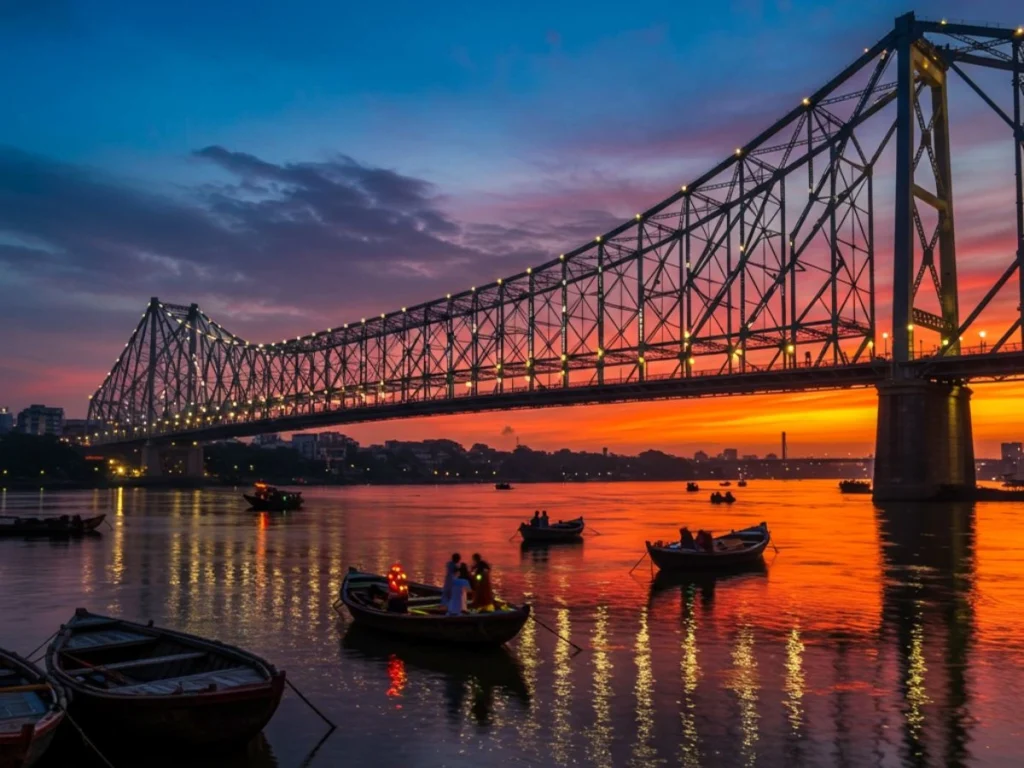
Kolkata is India’s most misunderstood city. Most travellers expect chaos — they find culture. Behind the peeling colonial facades and the noise of the trams lies a city that has produced more Nobel laureates, poets, and filmmakers per square kilometre than almost anywhere else in the country.
This Kolkata travel guide is for travellers from Delhi NCR — whether you are flying from Gurgaon, Noida, or central Delhi — who want to experience Eastern India’s most layered destination without wasting time on the wrong neighbourhoods, the wrong food, or the wrong months.
Suwish Global Travels manages end-to-end trips to Kolkata for individuals, families, and corporate groups across Delhi NCR — flight booking, accommodation, and ground transfers handled under one account.
Arrival & Logistics — Getting to Kolkata from Delhi NCR
Netaji Subhas Chandra Bose International Airport (NSCBI) handles all flights into Kolkata. The airport sits approximately 17 kilometres from the city centre in the Dum Dum area — allow 45 to 75 minutes for the drive depending on traffic and time of day.
Delhi to Kolkata is one of India’s busiest air corridors. Direct flights operate frequently throughout the day from IGI Airport T1 and T3. For travellers looking for affordable flights in Delhi, booking 3 to 4 weeks ahead on this route typically secures the best available fares — prices spike significantly during Durga Puja and the December holiday window.
Terminal breakdown at NSCBI:
- Domestic terminal — IndiGo, Air India, SpiceJet, Vistara services
- International terminal — Bangkok, Dhaka, Yangon, Singapore, Kuala Lumpur connections
The airport is well-organised by Indian metro standards. Pre-paid taxi counters are available at arrivals — use these rather than negotiating with drivers outside the forecourt.
Getting Around Kolkata — Metro, Tram & City Transport
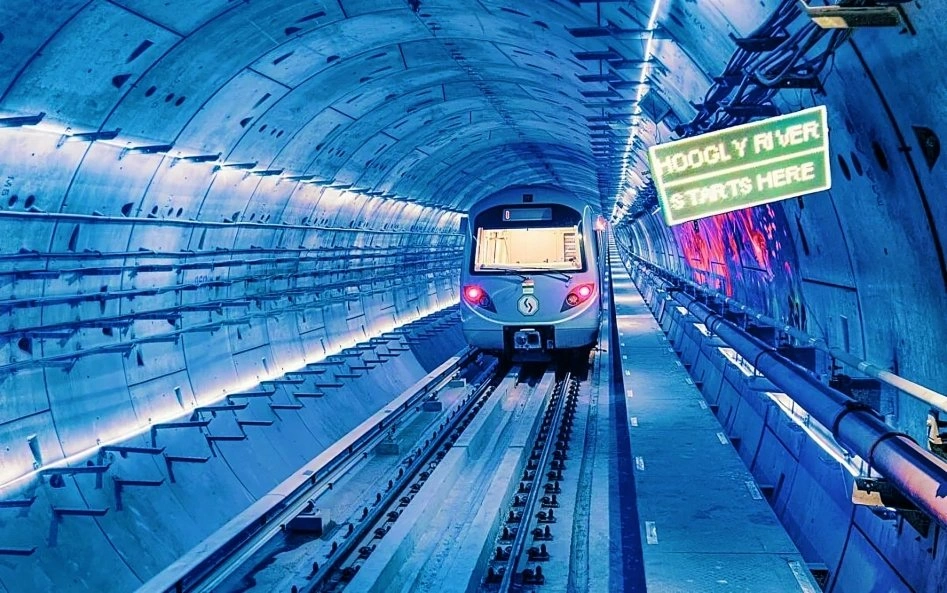
Kolkata has India’s oldest metro system — and now one of its most ambitious. The East-West Metro corridor runs underwater beneath the Hooghly River, connecting Howrah on the western bank to Esplanade in central Kolkata. This is engineering worth experiencing — board at Howrah Station and ride across to the city centre for less than ₹30.
The North-South Metro line connects Dum Dum (near the airport) to Kavi Subhash in South Kolkata — useful for independent travellers covering the city’s main cultural belt.
City transport options honestly assessed:
- Yellow Ambassador taxis — iconic, negotiation required, not metered reliably
- App cabs (Ola/Uber) — reliable in South Kolkata and New Town, inconsistent in North
- Trams — slow but atmospheric; Esplanade to Kalighat route worth doing once
- Auto-rickshaws — useful for short distances in North Kolkata lanes
For airport transfers and full-day heritage tours, car hire in Kolkata through a managed service eliminates the negotiation problem entirely — fixed rate, verified driver, air-conditioned vehicle. Particularly useful for families and corporate travellers who need reliable point-to-point transfers across the city.
North vs South Kolkata — Two Cities in One
Most first-time visitors spend their entire trip in South Kolkata and miss the city’s most interesting half. Here is the honest breakdown:
North Kolkata — Old City
- Kumartuli — the potter’s quarter where clay idols for Durga Puja are made year-round
- College Street — one of the largest second-hand book markets in the world; Coffee House next door has hosted Bengal’s intellectuals for over a century
- Marble Palace — a privately owned 19th-century mansion with an eclectic art collection; free entry, but you need a pass from the West Bengal Tourism office
- Shyambazar — dense, chaotic, authentic North Kolkata street life
- Jorasanko Thakur Bari — Rabindranath Tagore’s ancestral home, now a museum
South Kolkata — Colonial & Cultural Belt
- Victoria Memorial — the finest example of British colonial architecture in India; the museum inside is well-curated and worth 2 to 3 hours
- Park Street — Kolkata’s answer to a European boulevard; restaurants, bakeries, and the South Park Street Cemetery (genuinely atmospheric, not morbid)
- Ballygunge and Alipore — old money residential areas with excellent restaurants and quiet streets
- Kalighat Temple — one of the 51 Shakti Peethas; busy, intense, not for the fainthearted but historically significant
Pro-Tip: Base yourself in South Kolkata for comfort and access — but dedicate at least one full day to North Kolkata. The neighbourhoods are best explored on foot between 8am and 11am before the heat builds.
The Gastronomy Trail — Bengali Cuisine & Beyond
Bengali cuisine is one of India’s most sophisticated regional food traditions — and Kolkata is the only city where you can eat it properly at every price point.
Must-eat dishes:
- Kosha Mangsho — slow-cooked mutton in a dark, rich gravy; best at Golbari in Shyambazar
- Shorshe Ilish — hilsa fish in mustard sauce; seasonal but available year-round at good Bengali restaurants
- Mishti Doi — sweetened set yoghurt; eat it at a traditional sweet shop, not a restaurant
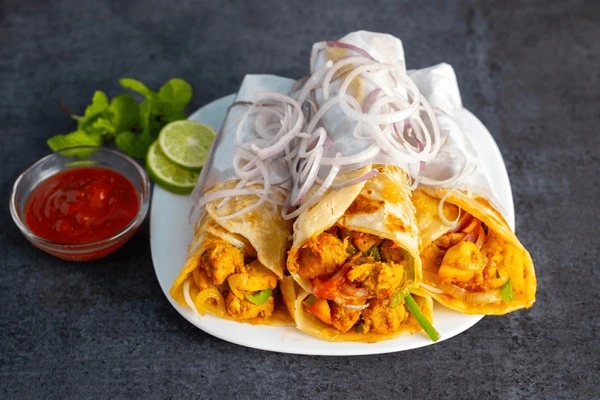
- Kathi Roll — Kolkata’s original; Nizam’s on New Market Street is the reference point
- Puchka — Kolkata’s version of pani puri uses a tangier tamarind water; try it on Elgin Road
Park Street restaurants worth booking:
- Peter Cat — famous for its Chelo Kebab; always busy, book ahead
- Mocambo — old Kolkata Continental dining; prawn cocktail and grilled fish are the order
Pro-Tip: New Market area is best for street food in the morning. Avoid street food stalls near tourist spots — quality drops significantly around Victoria Memorial and Howrah Bridge on busy weekends.
Eastern India Heritage Loop — Beyond Kolkata
Kolkata works best as an anchor city for Eastern India rather than a standalone destination. Three day trips are worth building into any itinerary of 5 or more days.
Dakshineswar Temple — 20 kilometres north of the city centre; the Kali temple associated with Sri Ramakrishna sits on the eastern bank of the Hooghly. Combine this with Belur Math on the opposite bank — the headquarters of the Ramakrishna Mission, designed to incorporate Hindu, Islamic, and Christian architectural elements.
Sundarbans — the world’s largest mangrove delta, a UNESCO World Heritage Site, sits approximately 100 kilometres south of Kolkata. A day trip is possible but rushed — an overnight stay is significantly better.
For accommodation across these destinations and in Kolkata itself, our team handles get best price hotel booking in Kolkata — properties verified, GST-compliant invoicing, and corporate billing available for business travellers.
The Eastern Heritage Circuit Kolkata is the natural eastern anchor of a heritage loop that moves westward through Varanasi. If you are planning both cities, the logical sequence is Varanasi first, then Kolkata — the cultural transition from the ancient to the colonial feels more coherent in that direction. Our Varanasi Travel Guide covers the full itinerary planning for that leg of the journey.
Kolkata as an International Gateway — South East Asia Routes
NSCBI Airport’s position makes Kolkata the most logical departure point in India for South East Asia travel. Direct connections operate to Bangkok, Dhaka, Yangon, Singapore, and Kuala Lumpur — significantly shorter flight times than the same routes from Delhi or Mumbai.
For Indian travellers using Kolkata as a hub for a South East Asia extension — Thailand, Myanmar, Malaysia — visa requirements vary significantly by destination and nationality. Our Expert Visa Documentation Service in Delhi NCR handles the documentation for the full South East Asia region, including Thailand e-Visa, Malaysia eNTRI, and Myanmar e-Visa processing.
Expert Advice from Suwish Global Travels
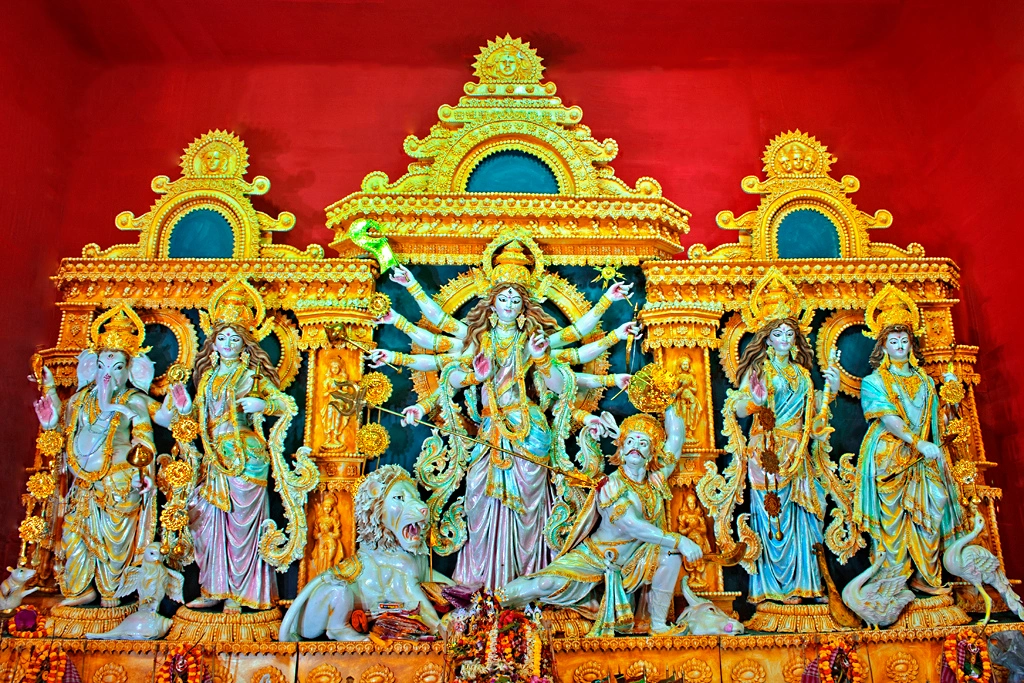
Best months to visit Kolkata October to March is the reliable window. October brings Durga Puja — the city’s defining festival, genuinely worth planning a trip around, but book accommodation 3 to 4 months ahead. November through February offers the most comfortable temperatures. March starts warming quickly.
Avoid April through June entirely unless you have no choice. Temperatures regularly exceed 40°C with humidity above 80% — the combination is genuinely difficult, even for experienced India travellers.
Humidity-proofing your trip Pack light, breathable cotton. A small hand towel is more useful than anything else you will carry. Carry a reusable water bottle — dehydration happens faster than expected in Kolkata’s humidity. Morning starts before 9am and afternoon breaks between 1pm and 4pm make the heat significantly more manageable.
Digital payments in Kolkata UPI is accepted almost universally — auto-rickshaws, street food vendors, sweet shops, and markets all take UPI payments. Keep ₹500 to ₹1,000 in cash for temple donations, older establishments, and New Town areas where connectivity occasionally drops. ATMs are available throughout South Kolkata; less reliable in deep North Kolkata lanes.
Pro-Tip: During Durga Puja, the entire city stays awake through the night for 4 to 5 days. Hotel prices triple and rooms disappear completely. If this is your target travel window, treat accommodation booking as the first step — not an afterthought.
Common Mistakes Travellers Make in Kolkata
Underestimating in-city travel time Kolkata’s traffic is significant, particularly during morning and evening peaks. A 10-kilometre journey can take 45 to 60 minutes. Build this into your daily schedule — do not plan more than 3 to 4 destinations per day.
Visiting only South Kolkata Victoria Memorial and Park Street are excellent. But spending your entire trip in South Kolkata means missing Kumartuli, College Street, and the genuine texture of the old city entirely.
Skipping the Underwater Metro Most visitors do not realise this infrastructure exists. The Howrah to Esplanade underwater crossing is a genuinely remarkable engineering achievement — and it costs less than ₹30. Do it.
Booking non-AC accommodation in summer If you are visiting between March and September, non-AC accommodation is not a budget option — it is a miserable option. Factor air-conditioning into your accommodation budget regardless of the overall trip cost.
Assuming English is spoken widely In South Kolkata, Park Street, and tourist areas — yes. In North Kolkata markets, local neighbourhoods, and auto-rickshaws — Bengali is the working language. A translation app and some patience go a long way.
Frequently Asked Questions
What is the best time to visit Kolkata?
October to March is the best window. October brings Durga Puja — worth experiencing but requires advance hotel booking. November to February offers the most comfortable weather. Avoid April to June due to extreme heat and humidity.
How many days are enough for Kolkata?
Three days covers the main highlights. Five days allows North and South Kolkata properly, plus one day trip to Dakshineswar and Belur Math. Seven days enables the full Eastern India circuit including a Sundarbans overnight.
Is Kolkata safe for solo travellers?
Yes — Kolkata has a well-established reputation as one of India’s safer metro cities for solo travellers, including women. Use standard city precautions after midnight in unfamiliar areas.
What is Kolkata famous for?
Victoria Memorial, Howrah Bridge, Durga Puja, Bengali cuisine, its literary and artistic heritage, and the East-West Underwater Metro. It is also India’s only city that still operates trams on active routes.
How do I get from Kolkata airport to the city centre?
Pre-paid taxi from the arrivals forecourt — approximately ₹400 to ₹600 depending on destination. The Metro from Dum Dum station (15 minutes walk or a short auto-ride from the airport) connects to the city centre for under ₹30. App cabs are also available from the designated pickup zone outside arrivals.
Suwish Global Travels — Delhi NCR manages complete Kolkata trip planning — flights from IGI Airport, accommodation booking, ground transfers, and Eastern India circuit itineraries. One team, one managed account, full GST-compliant invoicing.
Contact Suwish Global Travels — share your travel dates and we respond within the hour.