
The Ultimate Darjeeling Travel Guide: Navigate the 'Queen of Hills' Without the Crowds
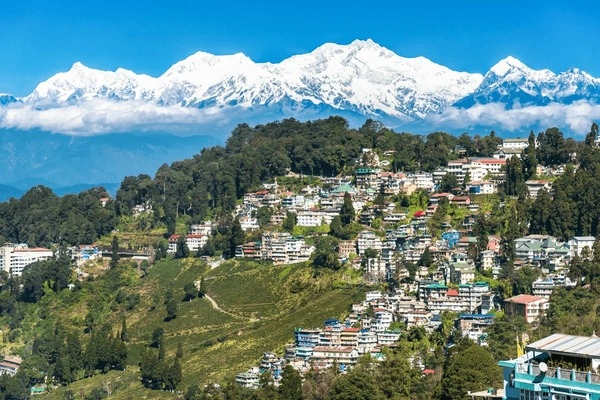
Darjeeling is genuinely beautiful. It is also genuinely congested — particularly between March and May, and again in October, when the town fills beyond comfortable capacity and the roads to Tiger Hill resemble a slow-moving car park at 3 AM.
Most travellers arrive with a standard package itinerary: Tiger Hill sunrise, Toy Train joy ride, Batasia Loop photograph, tea garden visit, departure. It is not a bad itinerary. It is simply the same itinerary that several thousand other people are following on the same days, at the same times, in the same sequence.
This Darjeeling travel guide is structured around a different approach — one that uses the same destinations but manages timing, transport, and sequencing to avoid the predictable pressure points that turn a hill station visit into an exercise in crowd management.
Suwish Global Travels in Delhi handles managed Darjeeling itineraries for individuals, families, and corporate groups from Delhi NCR — flight booking to Bagdogra, ground transfers, verified accommodation, and permit assistance handled under one account — for a structured, managed experience from start to finish.
Darjeeling Trip Highlights: Quick Summary
| Best Time to Visit | October to May — clear skies, pleasant weather, Kanchenjunga views |
| How to Reach | Flight to Bagdogra (IXB) or train to NJP Station, then 3-hour hill road transfer |
| Key Attraction | Tiger Hill Sunrise and UNESCO Toy Train Joy Ride |
| Top Pro-Tip | Book car hire for sightseeing in Darjeeling in advance — shared transport delays are common and unpredictable |
| Permit Required | RAP needed for Sandakphu and Singalila — not for Darjeeling town |
| Avoid | June to September monsoon — landslide risk on hill roads is real |
The Eastern India Heritage Loop: Kolkata to Darjeeling
The most satisfying way to approach Darjeeling is not as a standalone destination but as the Himalayan conclusion of an Eastern India circuit that begins in Kolkata.
The contrast is the point. Kolkata operates at sea level — colonial architecture, Bengal’s intellectual and culinary heritage, the Hooghly River, the controlled chaos of a city that runs on tea and conversation. Darjeeling sits at 2,042 metres — cooler, quieter in its better moments, and defined by a completely different set of sensory experiences. Moving between the two over 4 to 5 days gives both destinations more meaning than either has in isolation.
The logical sequence:
- Days 1-3: Kolkata — Victoria Memorial, North Kolkata heritage walk, Dakshineswar and Belur Math, Park Street food trail
- Day 4: Kolkata to Bagdogra by air (approximately 1 hour) — then road transfer to Darjeeling
- Days 5-7: Darjeeling — managed sightseeing, tea estate visit, Sandakphu option for experienced trekkers
- Day 8: Return to Bagdogra, flight back to Delhi
For travellers planning the Kolkata leg of this circuit, our Kolkata Travel Guide covers the full destination breakdown — North vs South Kolkata, the Underwater Metro, Bengali cuisine, and the Sundarbans day trip option.
Expert Advice from Suwish Global Travels Book the Kolkata-to-Bagdogra sector at least 3 to 4 weeks ahead. This is a high-demand route during peak Darjeeling season — fares spike significantly in the final week before travel. Early morning departures from Kolkata arrive in Bagdogra by mid-morning, giving you the full afternoon for the mountain road transfer and check-in before dark.
Darjeeling Logistics: Reaching the Hills from Bagdogra & NJP
Bagdogra Airport (IXB) and New Jalpaiguri (NJP) Station are the two primary entry points for travellers heading to Darjeeling. Bagdogra is approximately 75 kilometres from Darjeeling town; NJP is approximately 80 kilometres. In both cases, the onward journey is by road — a 3-hour climb through the Himalayan foothills regardless of which entry point you use.
This is not a journey to underestimate. The road climbs steeply from the plains of West Bengal — narrow in sections, shared with commercial vehicles, shared jeeps, and local buses that operate on their own schedule. For solo travellers or couples comfortable with basic conditions, shared transport from Siliguri works adequately. For families with children, elderly travellers, or corporate groups on a time-sensitive programme, it is not the right choice.
What the road from Bagdogra or NJP to Darjeeling actually involves:
- NH10 from Siliguri to Sevoke, then the hill road via Kurseong
- Steep gradients from Kurseong onwards — significant for anyone prone to motion sickness
- Single-lane sections where vehicles must yield and wait
- No reliable roadside facilities between Kurseong and Darjeeling town
Pre-booked car hire eliminates the shared transport variables entirely — fixed departure time, air-conditioned vehicle, verified driver familiar with the hill roads, and the flexibility to stop at Kurseong or Batasia Loop on the way up without negotiating with a shared jeep driver.
The same vehicle handles your full Darjeeling sightseeing circuit — Tiger Hill, Ghoom Monastery, tea estate visits — under a single booking with GST-compliant invoicing for corporate travellers.
Expert Advice from Suwish Global Travels Request a vehicle with good ground clearance for the Darjeeling transfer — particularly during monsoon season. Standard sedans struggle on the steeper gradients and can lose traction on wet road surfaces. Toyota Innova Crysta or equivalent SUV is the appropriate vehicle for this route. Confirm your driver has specific hill road experience — not all drivers who handle Delhi NCR airport transfers are trained for mountain driving.
Darjeeling Sightseeing Guide: An Anti-Tourist Strategy to Avoid Crowds
Tiger Hill: The Alternative to the 3 AM Traffic Jam
Tiger Hill is Darjeeling’s most famous sunrise viewpoint — and during peak season, it is also one of its most exhausting experiences. The convoy of vehicles leaving town between 3 AM and 4 AM creates a traffic queue that can add 45 minutes to an hour to what should be a 40-minute drive. By the time you reach the viewpoint, you are standing in a crowd of several hundred people, often in cold wind, waiting for a sunrise that may or may not be visible depending on cloud cover.
The sunrise itself, when visible, is genuinely worth seeing — the Kanchenjunga range in early morning light is a serious spectacle. The management of the experience is where most visitors feel let down.
Practical alternatives:
- Senchal Wildlife Sanctuary viewpoint — less visited, similar elevation, fewer vehicles
- Tinchuley — a village 25 kilometres from Darjeeling with clear Kanchenjunga views and almost no tourist infrastructure
- The Observatory Hill viewpoint at dawn — within Darjeeling town, no vehicle convoy required, genuinely underused by tourists
If Tiger Hill is non-negotiable, the best strategy is a weekday visit during the shoulder months — October after the first week, or late February. Weekday visits in peak season are manageable; weekend visits in peak season are not.
Toy Train: Joy Ride vs Long Route — Honest Assessment
The Darjeeling Himalayan Railway is a UNESCO World Heritage Site and worth experiencing. The distinction most travel guides gloss over is the difference between the two main options.
The Joy Ride (Darjeeling to Ghoom and back, approximately 2 hours) covers the most scenic section of the route, passes through the Batasia Loop, and stops at Ghoom — one of the highest railway stations in the world. This is the right choice for most visitors.
The Long Route (Darjeeling to New Jalpaiguri or Kurseong) takes 7 to 8 hours and suits railway enthusiasts and those specifically interested in the engineering history of the line. It is not the right choice for travellers who want to maximise their limited time in Darjeeling.
Book the Joy Ride at least 2 to 3 days ahead during peak season — seats sell out. The booking counter is at Darjeeling Station; online booking through the IRCTC platform is also available but occasionally has availability discrepancies.
Tea Estates: Why a Private Bungalow Changes the Entire Experience
Darjeeling’s tea estates are the destination’s most underused accommodation option. Several estates — including Glenburn, Makaibari, and Castleton — operate heritage bungalows within working tea gardens.
Staying in a tea bungalow rather than Darjeeling town removes you from the noise and congestion of Mall Road entirely. Morning walks through the tea gardens, estate tours with actual explanations of the flush cycle and processing methods, and meals prepared in the bungalow kitchen are a categorically different experience from the town hotel version of a Darjeeling visit.
The trade-off is distance from town — typically 20 to 40 minutes by road — and the need for a dedicated vehicle throughout your stay. With pre-booked ground transport already in place, this trade-off effectively disappears.
Expert Advice from Suwish Global Travels Tea bungalow bookings require advance planning — most properties operate at limited capacity and book out 4 to 6 weeks ahead during the First Flush season (March to April) and the Autumn Flush (October to November). If your travel dates fall in these windows and a tea estate stay is your preference, treat accommodation booking as the first step in your Darjeeling itinerary — not something to arrange after flights are confirmed.
Accommodation: Heritage Bungalows vs Modern Luxury
Darjeeling’s accommodation landscape divides into three clear categories — and the right choice depends almost entirely on your travel purpose and group composition.
Heritage properties (Windamere Hotel, Cedar Inn, Mayfair Darjeeling) offer colonial-era architecture, character, and a slower pace. They are well-suited to leisure travellers, couples, and those for whom atmosphere matters as much as facilities. Standards vary — inspect room size and heating before confirming, particularly for winter travel.
Modern hotel options in the town centre offer consistent facilities but are embedded in Darjeeling’s congested core — noise, traffic, and the general activity of Mall Road are part of the package.
Tea estate bungalows — covered above — are the specialist option for those who want the Darjeeling experience without the Darjeeling town compromise.
For corporate travellers and groups requiring GST-compliant accommodation invoicing, property selection matters beyond comfort and location. Not all Darjeeling hotels are GST-registered or issue correctly formatted invoices. Our team verifies GST registration and invoice compliance as standard for every corporate booking.
For verified, GST-compliant properties across Darjeeling and the broader Eastern India circuit, our Comfortable Stay in Darjeeling service covers property selection, rate negotiation, and billing management under one managed account.
Expert Advice from Suwish Global Travels Darjeeling’s altitude means temperatures drop significantly after sunset — even in summer months. Confirm that your chosen property has functional room heating before booking, not as an assumption. Many older heritage properties have heating systems that are unreliable or limited to common areas. This is particularly important for family groups travelling with young children or elderly members.
For any traveller using this Darjeeling travel guide to plan a monsoon-window trip, this section is the most important one to read carefully.
Landslides: The Monsoon Reality
Darjeeling’s monsoon season runs from June through September. The hill roads are genuinely at risk during this period — not as a theoretical concern but as a practical travel reality. Landslides close the Bagdogra-Darjeeling road several times each monsoon season, sometimes for 24 to 48 hours. Travellers have been stranded in Siliguri unable to ascend, and in Darjeeling unable to descend.
If your travel dates fall between June and September, build at minimum one additional buffer day into your itinerary at both ends. Never schedule a Darjeeling visit with a same-day or next-morning departure connection — the risk of a road closure making you miss an onward flight is not manageable without buffer time.
Safety, Permits, and Seasonal Survival
Restricted Area Permits for International Tourists
International tourists require a Restricted Area Permit (RAP) for excursions to Sandakphu, Singalila National Park, and specific border-adjacent areas. The permit is not required for Darjeeling town itself.
RAPs can be obtained from the District Magistrate’s office in Darjeeling or through registered tour operators. Processing is typically straightforward for most nationalities but requires advance planning — do not attempt to arrange this on arrival day.
Indian nationals do not require a RAP for Darjeeling town or standard tourist circuits.
Expert Advice from Suwish Global Travels: Buying Authentic First Flush Darjeeling Tea The Darjeeling tea market has a significant counterfeit problem — tea sold as “Darjeeling First Flush” in town shops frequently contains blended teas from other regions. Authentic First Flush Darjeeling carries a Darjeeling Logo certification from the Tea Board of India. Buy directly from estate shops (Makaibari, Glenburn, and Castleton all operate retail outlets) or from Nathmulls tea house on Laden La Road — one of the few town retailers with a verifiable direct-estate sourcing record. Avoid purchasing tea from pavement vendors or souvenir stalls near the Toy Train station.
Planning Your Darjeeling Visit: Managed vs DIY
This Darjeeling travel guide has covered the destination honestly — the congestion, the monsoon risks, the permit requirements, and the accommodation trade-offs. The information is available to any traveller willing to research carefully. The execution is where managed itineraries consistently outperform DIY planning.
A standard Darjeeling package — 3 nights, Tiger Hill, Toy Train, one tea garden — is easy to book and delivers a reasonable experience. It also delivers the same experience that the majority of visitors receive, at the same pressure points, with the same crowd-management frustrations.
A managed itinerary with pre-booked ground transport, verified accommodation, timed sightseeing to avoid peak congestion windows, and permit assistance in place before departure is a different category of trip — not more expensive in aggregate, but significantly better in execution.
Suwish Global Travels manages Darjeeling itineraries for travellers from Delhi NCR — Bagdogra flights, hill road transfers, tea estate or heritage hotel accommodation, sightseeing vehicle, and the Eastern India circuit connection to Kolkata handled under one account.
Contact Suwish Global Travels — share your travel dates, group size, and any specific requirements, and we will provide a complete Darjeeling travel guide itinerary with costing within one business day.
Frequently Asked Questions
What is the best time to visit Darjeeling? The best time to visit Darjeeling is October to March for clear Kanchenjunga views, and March to May for the most pleasant sightseeing weather. October after the first week offers fewer crowds than peak spring season. Avoid June to September entirely due to monsoon landslide risk on hill roads.
How many days are enough for Darjeeling? Three nights is the minimum for a meaningful Darjeeling visit; five nights is ideal for a complete experience. Three nights covers Tiger Hill, Toy Train, and one tea estate visit. Five nights allows a tea bungalow stay, a Kurseong day trip, and the Sandakphu option for fit travellers.
Do international tourists need a permit to visit Darjeeling? International tourists do not need a permit for Darjeeling town, but a Restricted Area Permit is required for Sandakphu and Singalila National Park. RAPs are available from the District Magistrate’s office or through registered tour operators. Indian nationals do not require a RAP for standard tourist circuits.
Which Toy Train option is better — Joy Ride or Long Route? For most travellers, the Joy Ride from Darjeeling to Ghoom is the better choice — it covers the most scenic section in approximately 2 hours. The Long Route takes 7 to 8 hours and is suited specifically to railway enthusiasts. Book the Joy Ride 2 to 3 days ahead during peak season.
How do I buy authentic First Flush Darjeeling tea? Buy authentic First Flush Darjeeling tea directly from estate shops or Nathmulls on Laden La Road — look for the Tea Board of India Darjeeling Logo certification. Avoid pavement vendors and souvenir stalls near tourist sites, where counterfeit blended teas are commonly sold as Darjeeling.