
Varanasi Travel Guide: Complete Trip Plan, Ghats, Hotels & Local Tips
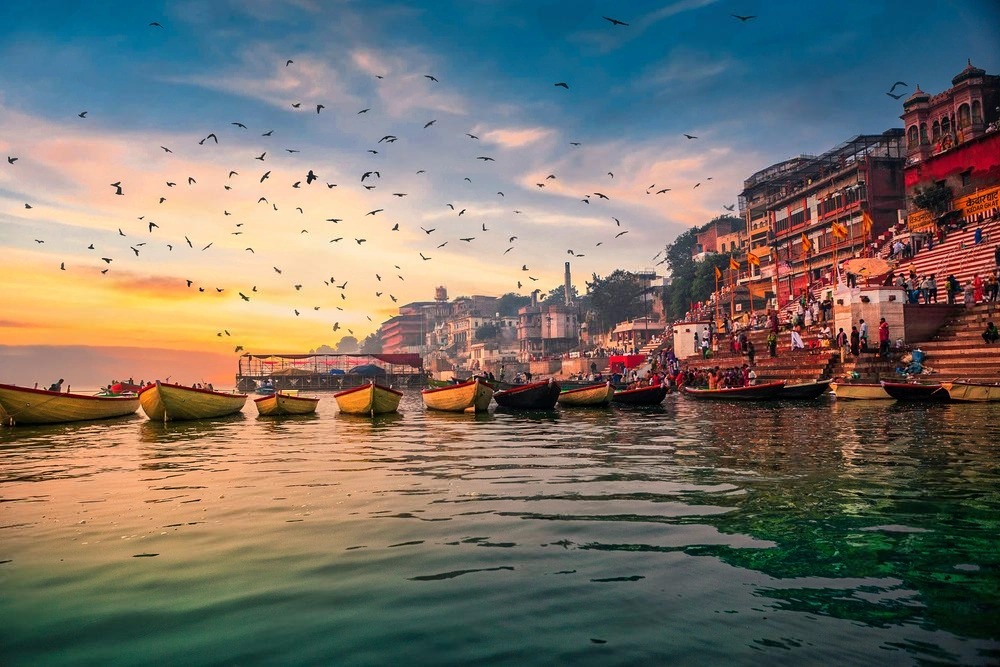
Most travellers arrive in Varanasi expecting a city. What they find is something older and harder to categorise — a living civilisation that has operated continuously for over three thousand years, indifferent to the pace of the world around it. The ghats at dawn, the lanes of the old city, the evening Ganga Aarti at Dashashwamedh Ghat — none of it behaves the way a modern tourist destination is supposed to behave.
This Varanasi travel guide is written for travellers who want to experience Kashi as it actually is — not as a curated highlight reel. The heat is real. The crowds are real. The navigation challenges in the old city are real. This guide addresses each of them directly, so you spend your time in Varanasi experiencing it rather than managing it.
Best Time to Visit Varanasi
The timing of your Varanasi trip matters more than it does for most Indian destinations. The city functions year-round, but the experience — and the physical comfort — varies considerably across seasons.
Winter (October to March) is the most practical window for most visitors. Temperatures sit between 8°C and 25°C, the ghats are walkable at any hour, and the city’s major festival calendar falls within this period. Dev Deepawali — observed on Kartik Purnima, fifteen days after Diwali — transforms the entire Ganga ghats into a grid of earthen lamps. Every step of every ghat is lit from the waterline to the top, and the reflection across the river creates a sight that has no equivalent anywhere in India. Accommodation books out weeks in advance for this period; plan accordingly.
Ganga Mahotsav, typically held in November, is a five-day cultural festival combining classical music performances, the Ganga Aarti on an elevated scale, and Dev Deepawali as its centrepiece. If your travel calendar has any flexibility, structuring your Varanasi visit around either of these events is worth the additional planning effort.
Summer (April to June) is genuinely demanding. Varanasi summers reach 45°C to 47°C, and the old city — with its narrow lanes, dense construction, and limited airflow — concentrates that heat. The ghats are manageable only before 7 AM and after 6 PM. If summer is your only window, plan your sightseeing around these hours and treat midday as rest time. A well air-conditioned hotel is not a luxury in Varanasi summer — it is a functional requirement.
Monsoon (July to September) brings the Ganga to flood levels that occasionally submerge the lower ghats entirely. The city becomes quieter, greener, and significantly less crowded — but river access is limited and the lanes become difficult after heavy rain. For travellers who prefer fewer crowds and do not mind restricted ghat access, the post-monsoon weeks of September can offer a genuinely atmospheric visit.
Where to Stay in Varanasi
Where you stay in Varanasi shapes the entire experience. The city offers two fundamentally different accommodation geographies, and the right choice depends on what kind of traveller you are.
Staying near the Ghats places you inside the old city — within walking distance of Dashashwamedh Ghat, Assi Ghat, and the lanes leading to the Kashi Vishwanath Corridor. The atmosphere is immediate and immersive. The tradeoff is that vehicular access is limited, the lanes are narrow and uneven, and the ambient noise level does not drop significantly at night. For first-time visitors who want the full Kashi experience — waking before dawn and walking directly to the ghats — this location delivers it.
Staying in the Cantonment area (around the railway station and the broader Civil Lines zone) offers more conventional hotel infrastructure — larger rooms, parking access, consistent hot water, and proximity to the airport road. The ghats are a 20 to 30-minute drive. For families with children, older travellers, or anyone visiting in summer who needs reliable air conditioning and quieter surroundings, the Cantonment zone is the more comfortable base.
The Kashi Vishwanath Corridor advantage is worth considering specifically. Since the Corridor’s completion, the area around the temple has been significantly reorganised — improved pedestrian access, cleaner approach lanes, and better crowd management systems make the neighbourhood considerably more navigable than before. Staying within this zone means Kashi Vishwanath Darshan is a 10-minute walk rather than a vehicle-and-then-walk exercise, which matters when targeting early morning darshan before queues build.
Book Smarter, Not Harder
Stop second-guessing hotel locations in Varanasi. Suwish Global Travels pre-selects verified properties across the Ghats zone, Kashi Vishwanath Corridor, and Cantonment area — matched to your budget and travel style.
Every booking is GST-compliant with a single consolidated invoice.
Top Things to Do in Varanasi
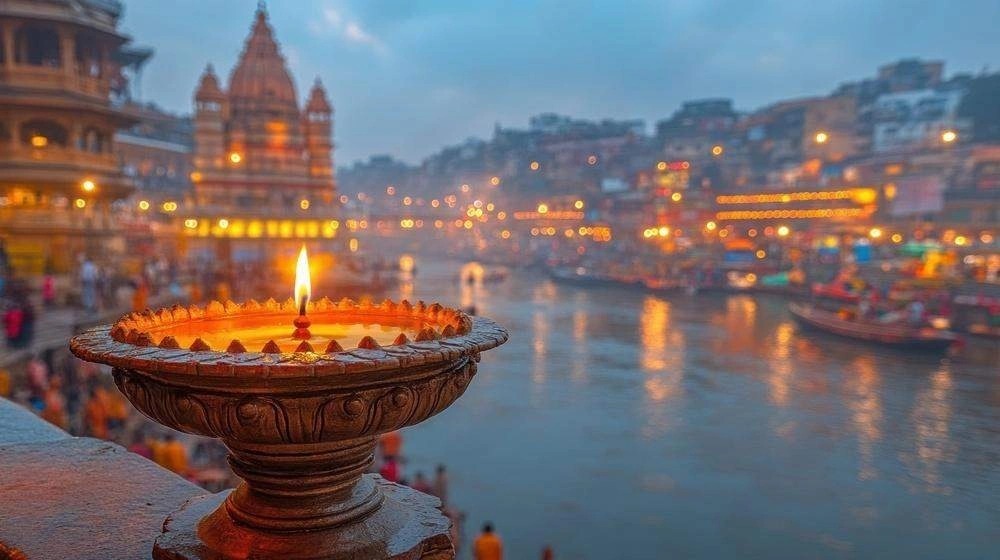
Subah-e-Banaras — Boat Ride at Dawn
The boat ride at dawn is the correct way to see Varanasi for the first time. From the water, the full 84-ghat arc is visible simultaneously — cremation pyres at Manikarnika Ghat, bathers at Dashashwamedh Ghat, sadhus in contemplation at Harishchandra Ghat, morning rowers in the middle distance. The light between 5:30 AM and 7 AM is unlike anything the city offers at any other hour. Book a private wooden boat over a shared ride — the experience difference is significant, the cost difference minimal.
Kashi Vishwanath Corridor and VIP Darshan
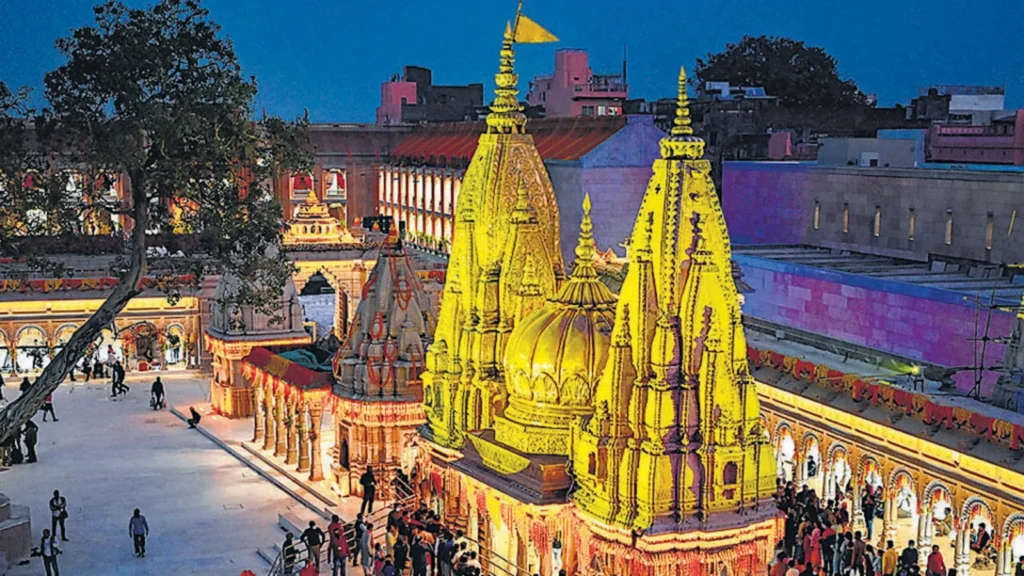
Kashi Vishwanath Temple — one of the twelve Jyotirlingas — draws tens of thousands of devotees daily. General darshan on auspicious days still involves queues of one to three hours. VIP darshan passes, available through the temple trust’s official channels, reduce this to 20 to 40 minutes. Secure the pass before arrival rather than managing it on the day.
Sarnath — The Buddhist Circuit
Sarnath, 10 km from Varanasi, is where the Buddha delivered his first sermon after attaining enlightenment at Bodh Gaya. The Dhamek Stupa (500 AD), the Ashoka Pillar — whose Lion Capital became India’s national emblem — and the Sarnath Archaeological Museum hold one of the finest collections of Mauryan-period Buddhist sculpture in the country. Allow three to four hours. Depart by 8 AM and return by noon before Varanasi’s afternoon heat builds.
Evening Ganga Aarti — Dashashwamedh vs Assi
Dashashwamedh Ghat hosts the main ceremony — seven priests in coordinated ritual, elevated platforms, and a theatrical scale that is genuinely impressive. Arrive 45 minutes early for a good position. Assi Ghat holds a smaller, quieter Aarti that feels more participatory than performative. Many seasoned Varanasi visitors do both — Dashashwamedh for the spectacle, Assi for the atmosphere.
Varanasi Transport Guide
Varanasi’s transport situation is one of the most common sources of avoidable stress for first-time visitors. The old city is not navigable by standard vehicles — lanes that appear on maps as roads are frequently less than four feet wide. Lal Bahadur Shastri International Airport sits 26 km from the Cantonment area and farther from the ghats.
Airport Transfers
The airport connects Varanasi to Delhi, Mumbai, and Bengaluru among other cities. Pre-booked airport transfers are strongly advisable over unorganised cabs at the exit — particularly for arrivals after dark. Transfer to the Cantonment area takes 45 to 60 minutes; to ghat-area accommodation, allow 75 to 90 minutes.
Day Trips to Sarnath and Beyond
Sarnath, Ramnagar Fort (14 km by road), and Vindhyachal (75 km) are the most requested day-trip destinations from Varanasi. Each requires a private vehicle — public transport exists but is not practical for time-managed itineraries or groups.
The Case for an AC SUV in Varanasi
In summer, an air-conditioned SUV is not a comfort upgrade — it is a planning tool. Varanasi’s heat index between 11 AM and 5 PM makes extended outdoor exposure physically draining. Structuring your day with a cool vehicle base between sightseeing windows allows you to manage the heat rather than be managed by it. For families, older travellers, or anyone on a tight schedule, this matters practically.
Skip the Negotiation at the Ghat
Pre-booked, air-conditioned SUVs with experienced drivers — covering airport pickups, Sarnath day trips, and full-day Varanasi circuits. Drivers who know the old city drop-off points and ghat-access lanes.
No surprises. No over-charging. One invoice.
Local Knowledge: Varanasi Scams & Railway Station Warnings
The “Temple is Closed” Scam At Dashashwamedh Ghat and near Kashi Vishwanath Corridor, auto-rickshaw and cycle-rickshaw drivers frequently tell arriving visitors that the temple is “closed today” or “under special ceremony.” This is consistently false. The objective is to redirect you to a shop or guesthouse where the driver earns a commission. Walk to your destination directly — the temple and ghats operate on fixed daily schedules that are publicly listed.
Varanasi Junction — Tout Activity Varanasi Junction and Varanasi Cantt railway stations have a documented concentration of unauthorised agents offering hotel bookings, taxi services, and tour packages at the exit gates. The Railway Protection Force (RPF) and Uttar Pradesh Tourism Police both operate at these stations, but tout activity remains persistent. Do not accept unsolicited help with bags, directions, or bookings at the station exit. Pre-arranged pickup eliminates this friction point entirely.
Boat Ride Over-Charging Government-fixed Shikara rates are displayed at official ghats. Any quote significantly above ₹800 for a one-hour ride is above the regulated rate. Agree on price and duration before boarding.
Verified Source Box Based on guidelines from Uttar Pradesh Tourism, Railway Protection Force (RPF), and Varanasi District Tourism Office.
Varanasi to Delhi & Agra: Onward Connections
Varanasi sits at a natural junction in India’s most-travelled cultural circuit. Delhi (800 km), Agra (565 km), and Ayodhya (200 km) are all within reasonable reach by air, rail, or road.
Varanasi to Delhi is served by direct flights (approximately 90 minutes) and by the Vande Bharat Express and Kashi Vishwanath Express (approximately 8 hours by rail). For travellers continuing to Delhi for onward international connections through IGI Airport, the flight is the practical choice.
Varanasi to Agra is most efficiently covered via the Varanasi–Delhi route with a diversion, or by the direct Mahamana Express. By road via NH 19, the distance is approximately 565 km — most itineraries split this across two days.
For travellers building a broader North India itinerary connecting Varanasi with the capital, the Delhi Travel Guide covers logistics, sightseeing, and onward connections in the same depth as this guide.
Varanasi Food Guide
1. Kachori-Sabzi (Local Breakfast Staple)
The standard Banarasi breakfast, eaten at small stalls that open before dawn near the ghats. The kachori is fried to order and served with a spiced potato-tomato sabzi. Deena Chat Bhandar near Vishwanath Gali and the stalls near Kedar Ghat are reliable starting points.
2. Tamatar Chaat (Varanasi’s Signature Street Food)
Unlike the chaat of Delhi or Lucknow, Banarasi tamatar chaat is served warm — a cooked tomato base with fried bread, chutneys, and chillies. Kashi Chaat Bhandar at Godowlia crossing is the most referenced address in the city for this dish.
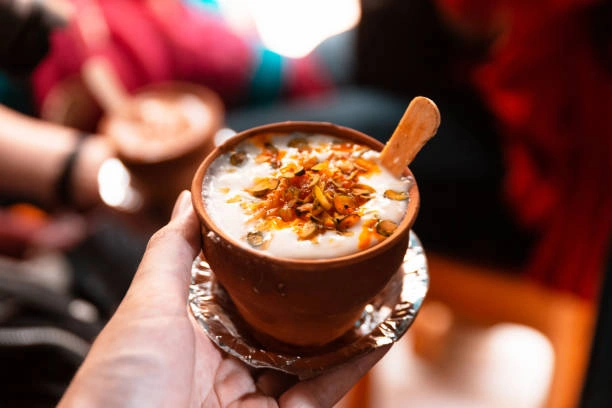
3. Banarasi Lassi (The Clay Cup Classic)
Served in clay cups, thick enough to eat with a spoon, topped with cream and malai. Blue Lassi Shop in the Vishwanath Gali lanes has operated continuously for decades and remains the standard reference. Arrive early — they close when the day’s preparation is finished.
4. Malaiyyo (Winter-Only, Dawn Special)
Available from November to February only. Whipped milk foam flavoured with saffron and cardamom, served in small clay bowls — available only in the early morning before it collapses in rising temperature. Worth planning a pre-dawn walk around.
Varanasi Budget Plan
| Category | Budget | Mid-Range | Comfort / Luxury |
|---|---|---|---|
| Stay (Per Night) | ₹600 – ₹1,200 | ₹2,500 – ₹5,000 | ₹7,000 – ₹20,000+ |
| Food (3 Meals) | ₹300 – ₹500 | ₹800 – ₹1,500 | ₹2,000 – ₹4,000 |
| Transport (Per Day) | ₹400 – ₹700 | ₹1,200 – ₹2,000 | ₹3,000 – ₹5,000 |
| Sightseeing / Entry | ₹200 – ₹400 | ₹400 – ₹800 | ₹800 – ₹1,500 |
| DAILY TOTAL | ₹1,500 – ₹2,800 | ₹4,900 – ₹9,300 | ₹12,800 – ₹30,500+ |
Plan Your Varanasi Trip with Suwish Global Travels
Varanasi rewards preparation. The early morning boat ride, the VIP darshan at Kashi Vishwanath Temple, the Dev Deepawali timing, the Sarnath morning circuit, the correct ghat for the evening Aarti — each of these delivers significantly more when the logistics are handled in advance rather than improvised on arrival.
Suwish Global Travels manages Varanasi itineraries as a complete package — hotel selection matched to your travel style and budget, airport transfers, day-trip vehicles, and a structured day-by-day plan that accounts for Varanasi’s specific timing requirements. Every booking is GST-compliant and consolidated into a single invoice.
Contact Suwish Global Travels to share your travel dates and group details — our team will respond with a customised Varanasi itinerary within one working day.
Frequently Asked Questions
Is Varanasi safe for solo female travellers?
Yes, with standard urban precautions applied consistently. The ghats and major sightseeing areas are well-populated throughout the day and during the evening Aarti. The old city lanes — particularly in the Godowlia and Vishwanath Gali areas — can feel disorienting after dark; stick to the main lanes or travel with a guide for evening walks. Pre-booked transport is strongly advisable for all transfers, particularly for arrivals after dark.
How do I book a private boat for the Ganga Aarti and dawn ride?
Private wooden boats are available at all major ghats — Dashashwamedh Ghat, Assi Ghat, and Rajendra Prasad Ghat are the main departure points. Agree on price, duration, and number of passengers before boarding. For the dawn ride, departure before 5:30 AM is advisable to position on the water before sunrise. Bookings through Suwish Global Travels include boat coordination as part of the managed Varanasi package.
What should I wear while visiting Kashi Vishwanath Temple?
Covered clothing is required — shoulders and knees must be covered for both men and women. Footwear is removed before entering. Leather items — belts, bags, wallets — are not permitted inside. Mobile phones are allowed in the Corridor area but photography inside the temple sanctum is prohibited. For women, a dupatta or stole covering the head is respectful and expected.
What does an airport taxi in Varanasi typically cost?
Pre-booked airport taxi Varanasi rates from Lal Bahadur Shastri International Airport to the Cantonment zone run approximately ₹600 to ₹900 for a standard sedan and ₹900 to ₹1,400 for an SUV. To ghat-area accommodation, rates are typically higher. App-based cabs operate but availability at the airport exit can be inconsistent for late-night arrivals. Pre-booking eliminates this variable entirely.