
Jaipur Travel Guide 2026: Plan Your Perfect Trip from Delhi
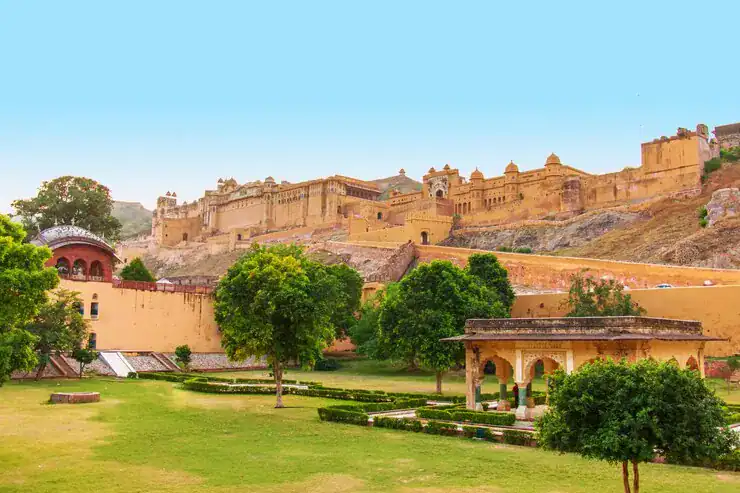
Jaipur, famously known as the Pink City, is a cornerstone of India’s heritage and the capital of the royal state of Rajasthan. It is a destination where ancient forts meet vibrant local markets, creating a sensory experience that is difficult to find anywhere else in the world. Whether you are a solo backpacker or a family seeking a luxury retreat, Jaipur demands structured planning to navigate its history, traffic, and seasonal nuances effectively.
As a leading travel agency based in Laxmi Nagar, Delhi, we understand the logistics required for a seamless journey. At Suwish Global Travels, our mission is to provide a Personalized travel experience that goes beyond generic sightseeing. By bridging the gap between Delhi’s bustling energy and Jaipur’s royal charm, we ensure your trip is as efficient as it is memorable.
Reaching the Pink City: The Gateway from Delhi

Most journeys to Rajasthan begin in India’s capital. For international travellers landing at IGI Airport, Jaipur is the next logical step. While some search for the Best deals on flights in Delhi to Jaipur International Airport, most find that a Delhi to Jaipur car rental service is the most practical choice for a domestic getaway. It offers door-to-door convenience and the flexibility to stop at midway points like Neemrana.
The Golden Triangle & Visa Coordination
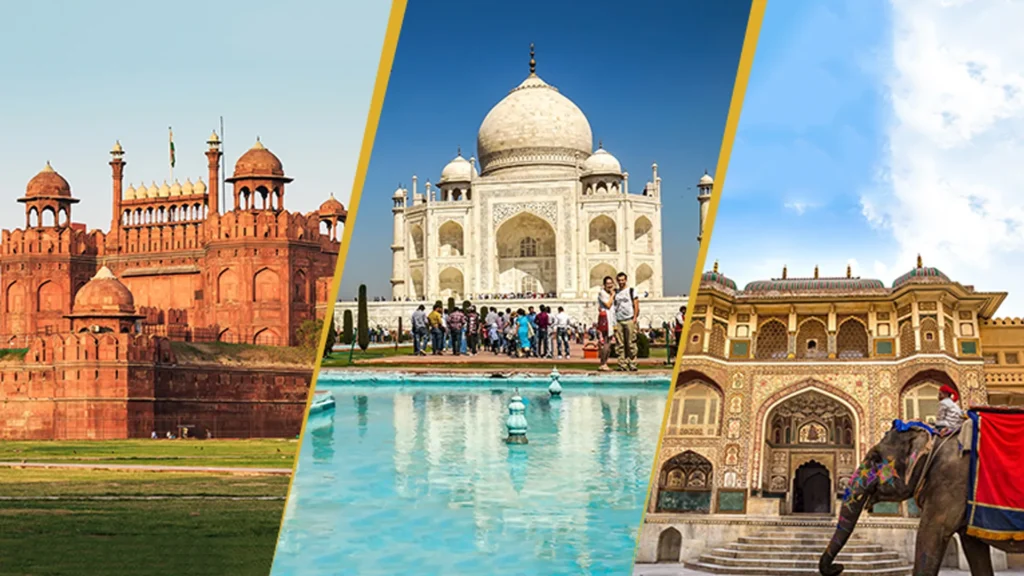
Jaipur is the third vertex of the famous Golden Triangle (Delhi-Agra-Jaipur). This route is the most travelled path for foreigners because of its cultural diversity. To make this circuit successful, you need reliable Visa services in Delhi. At Suwish Global, we help international visitors secure their Tourist Visa in Delhi documentation smoothly, ensuring that your arrival in India and subsequent travel to Jaipur is free from bureaucratic hurdles.
Iconic Sightseeing: Where History Breathes
To truly experience Jaipur, you need a minimum of two to three days. Our tailored packages focus on these timeless landmarks:
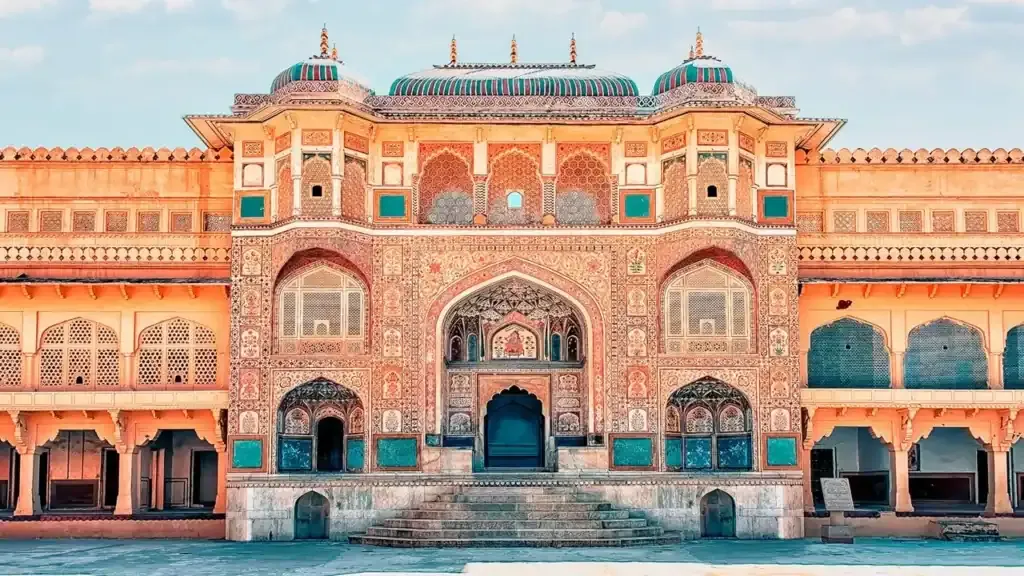
Amber Fort
This UNESCO World Heritage site is a breathtaking architectural marvel perched high on a hill in Amer. Known for its artistic Hindu style elements, the fort is constructed from red sandstone and marble, featuring opulent structures like the Sheesh Mahal (Mirror Palace). Visitors can explore grand courtyards, ancient temples, and intricate carvings that reflect the bravery of the Rajput kings. As a premier destination for international travellers, Amber Fort remains a mandatory stop for anyone seeking to understand the intersection of Persian and Indian architectural traditions during the medieval era.
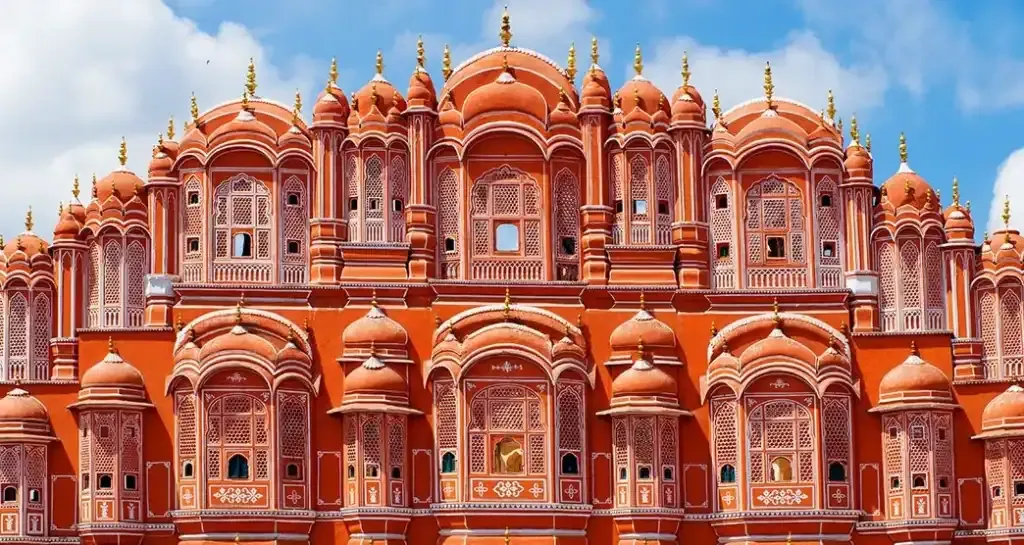
Hawa Mahal
Known as the “Palace of Winds,” this iconic five-storey structure is arguably the most photographed landmark in Jaipur’s city centre. Built in 1799, its unique honeycomb facade features 953 small windows called Jharokhas, designed to allow royal ladies to observe daily street festivities without being seen from the outside. The cooling effect created by the breeze circulating through these windows makes it an architectural wonder. It is a perfect spot for a photography stop, offering a vibrant pink sandstone backdrop that perfectly encapsulates the aesthetic charm of the historic Pink City.
City Palace & Jantar Mantar
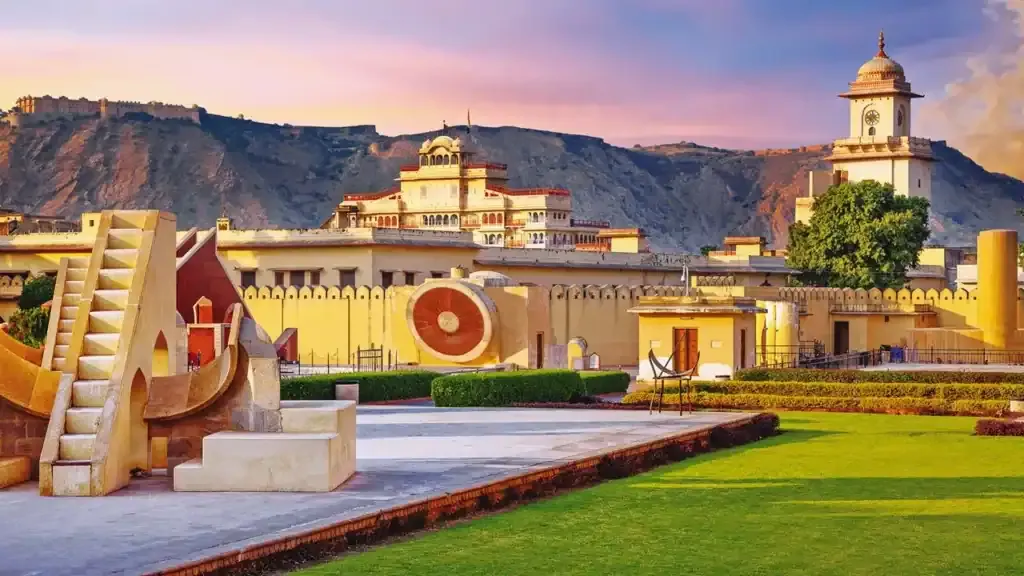
Located in the heart of Jaipur, the City Palace complex is a stunning blend of Mughal and Rajput craftsmanship, housing museums that display royal costumes and ancient weaponry. Directly adjacent is Jantar Mantar, a UNESCO World Heritage astronomical observatory featuring the world’s largest stone sundial. Together, these sites showcase the scientific brilliance and royal prowess of the Jaipur kings, particularly Maharaja Sawai Jai Singh II. For tourists, exploring these landmarks provides a deep appreciation for the intellectual heritage and the sophisticated urban planning that defined 18th-century India under Rajput rule.
Nahargarh Fort
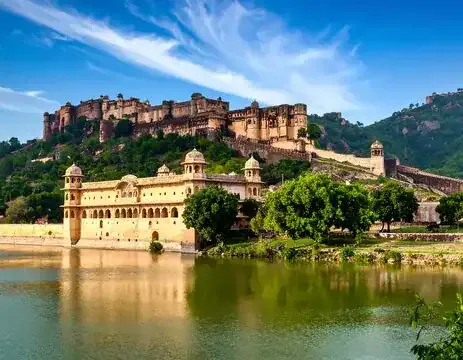
Standing on the edge of the Aravalli Hills, Nahargarh Fort was once a formidable barrier defending the city of Jaipur. Today, it is celebrated as the best spot for a breathtaking panoramic view of the entire Pink City, especially during sunset. The fort’s Madhavendra Bhawan features interconnected suites for the royal family, adorned with beautiful murals and traditional designs. Whether you are a history enthusiast or a photographer, the serene atmosphere and the sprawling views of the city lights below make Nahargarh an essential destination for an evening retreat after a day of sightseeing.
Exploring Beyond Jaipur: Nearby Gems
If you have an extra day, use your car rental to explore the outskirts:
Abhaneri (Chand Baori)
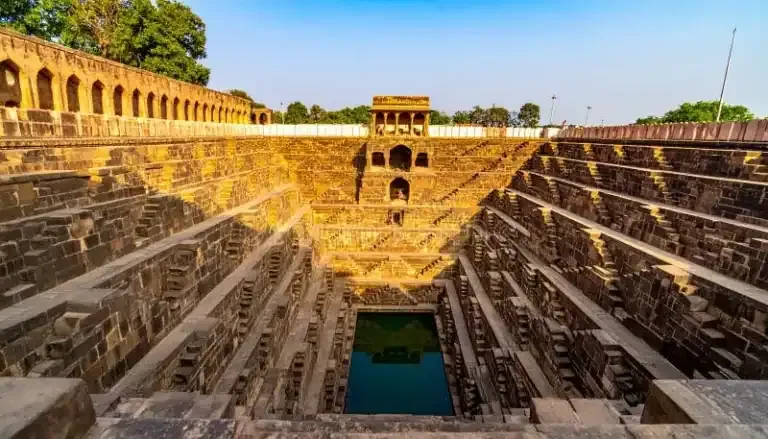
Located approximately 95 kilometres from Jaipur, Abhaneri is home to the world-renowned Chand Baori, which remains one of the deepest and most visually stunning stepwells ever constructed. This 8th-century geometric marvel consists of over 3,500 narrow steps descending 13 storeys into the earth. It was originally designed to harvest rainwater and provide a cool retreat for the local community during the scorching Rajasthani summers. For international travellers, Abhaneri offers an incredible opportunity for architectural photography and a chance to witness the sophisticated ancient water management systems that have survived for over a millennium in the desert.
Pushkar & Ajmer
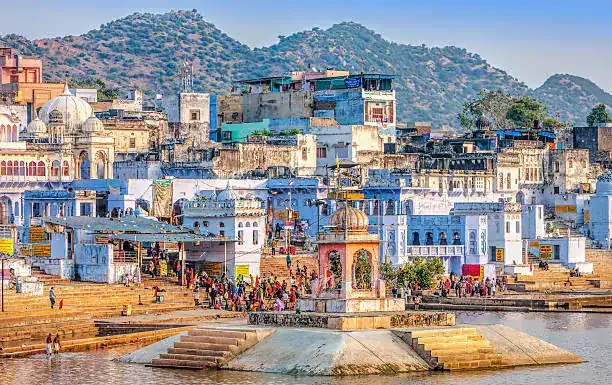
A comfortable 2.5-hour drive from the Pink City leads you to the twin spiritual hubs of Pushkar and Ajmer, making for a perfect cultural extension to your Rajasthan journey. Pushkar is famous for being home to one of the world’s few temples dedicated to Lord Brahma and its sacred lake surrounded by 52 historic ghats. In contrast, Ajmer is globally celebrated for the Ajmer Sharif Dargah, the revered shrine of the Sufi saint Moinuddin Chishti. These towns offer a profound spiritual contrast to the royal grandeur of Jaipur, providing travellers with a deeper connection to India’s diverse religious tapestry.
A Culinary Journey: Famous Foods of Jaipur
Jaipur is a paradise for food lovers. To get an authentic taste, you must try:

Pyaaz Kachori
To savour an authentic taste of the region, one must experience the legendary Pyaaz Kachori, particularly the version served at Rawat Mishtan Bhandar. This spicy, deep-fried pastry is filled with a robust onion and potato stuffing, seasoned with a secret blend of Rajasthani spices that create a truly unique and addictive flavour profile. It is a staple breakfast item for locals and a mandatory stop for food enthusiasts visiting the city centre.
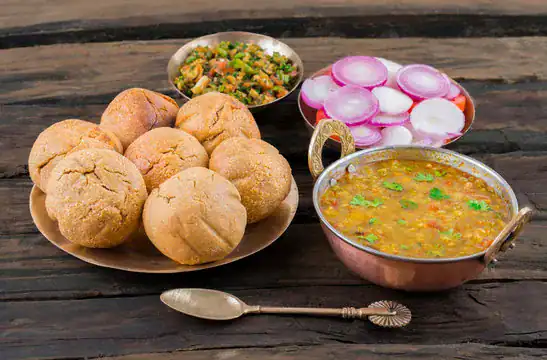
Dal Baati Churma
For a traditional Rajasthani feast, Dal Baati Churma is the quintessential meal that represents the heart of local hospitality and heritage. The dish consists of “Baati,” which are hard wheat rolls traditionally baked over charcoal, served with a protein-rich lentil “Dal” and a sweet, crumbled wheat accompaniment known as “Churma.” Drenched in pure desi ghee, this wholesome meal was historically favoured by Rajput warriors for its nutritional value and long shelf life. It remains the most iconic culinary experience in Jaipur, offering a rustic yet royal flavour profile that is impossible to replicate outside the borders of Rajasthan.

Ghevar
Sweet lovers should not miss Ghevar, a disc-shaped honeycomb delicacy that remains a traditional must-try sweet throughout the year. Made from a delicate batter of flour, ghee, and milk, it is deep-fried to perfection and often topped with saffron-infused sugar syrup, creamy rabri, and almond slivers. While it is particularly popular during the monsoon festivals like Teej, its status as Jaipur’s signature dessert makes it a favourite for international travellers seeking an authentic taste of Indian confectionery. Its intricate texture and rich, aromatic sweetness provide a perfect conclusion to any traditional Rajasthani dining experience in the city.
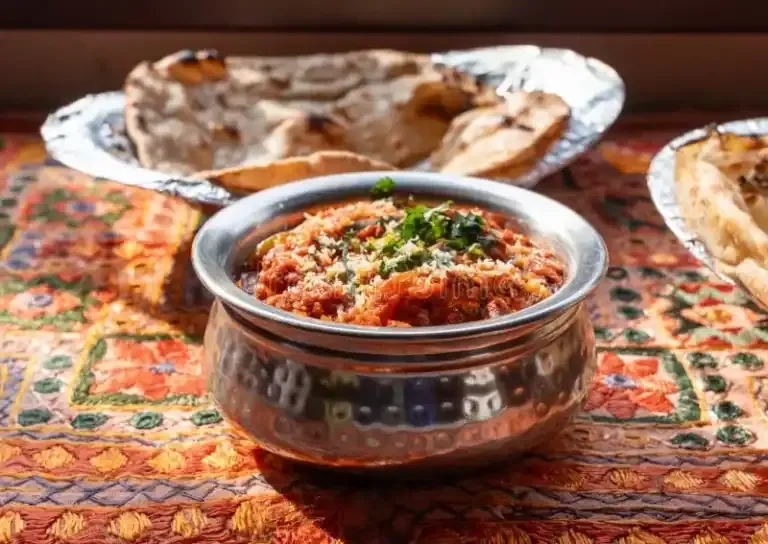
Laal Maas
For non-vegetarians, the fiery Laal Maas provides a robust mutton curry experience that is deeply rooted in the state’s royal hunting traditions. This legendary dish is prepared using a high concentration of Mathania chillies and garlic, resulting in a vibrant red colour and an intensely spicy flavour profile. Originally cooked after royal shikar (hunts), the slow-cooking process ensures the meat is incredibly tender and infused with a smoky aroma. It is a mandatory dish for those who appreciate bold spices and wish to explore the more adventurous, regal side of Rajasthani cuisine during their stay in the capital.
Staying in Style: Accommodation in Jaipur
Jaipur offers an eclectic range of accommodation, from heritage havelis to opulent modern resorts. At Suwish Global Travels, we provide Exclusive deals on hotels in Delhi across these top-rated establishments:
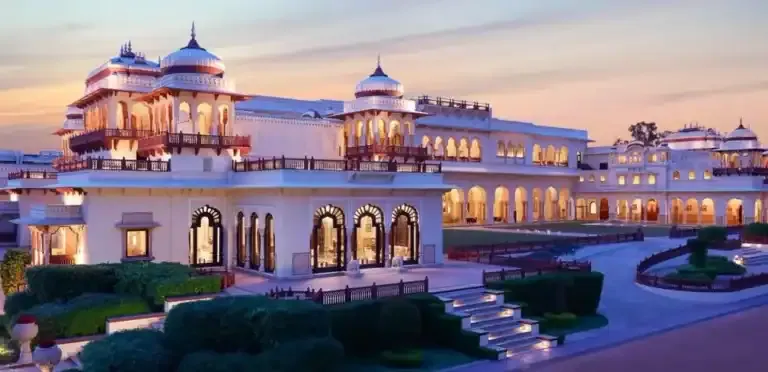
Rambagh Palace
Often referred to as the “Jewel of Jaipur,” the Rambagh Palace is an iconic Taj property that offers a genuine regal experience amidst 47 acres of manicured gardens. Once the primary residence of the Maharaja of Jaipur, this palace features opulent suites, marble-clad corridors, and world-class hospitality. Travellers can enjoy a drink at the historic Polo Bar or dine in the magnificent Rajput Room. Every corner of the property reflects the grandeur of a bygone era, making it the ultimate choice for those seeking absolute luxury and a historical connection to Rajasthan’s royal heritage.
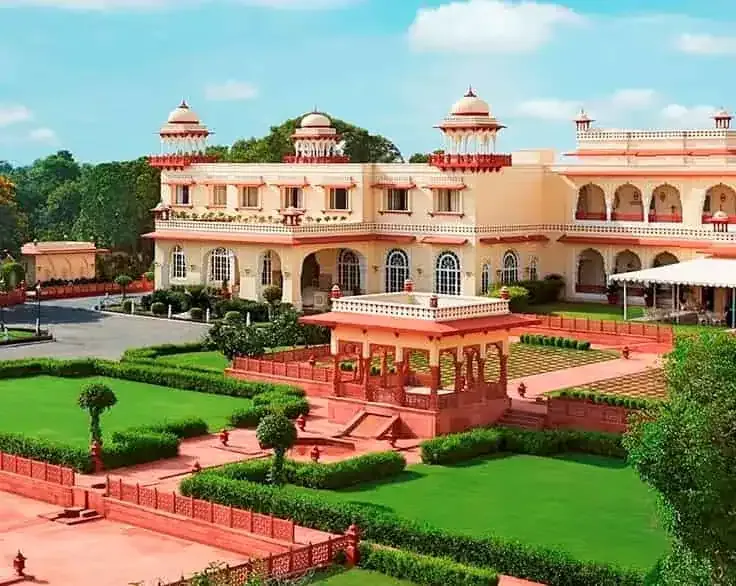
Jai Mahal Palace
Renowned for its stunning Indo-Saracenic architecture, Jai Mahal Palace is a masterpiece of design situated near the bustling MI Road. This 18th-century heritage hotel is set within six acres of magnificent Mughal gardens, providing a peaceful oasis in the heart of the city. The property has been meticulously restored to offer modern comforts while preserving its historic soul, including delicate miniature paintings and original stone carvings. Its central location makes it an ideal base for travellers who wish to explore the vibrant bazaars of the Pink City while staying in a truly aristocratic environment.
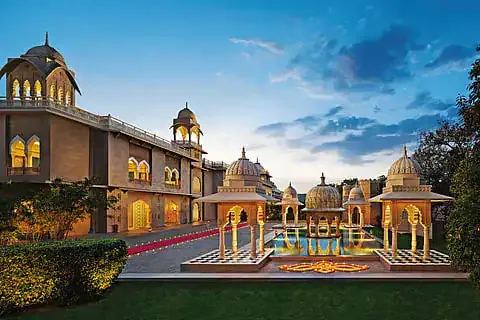
Fairmont Jaipur
For those seeking a sophisticated retreat away from the city centre, Fairmont Jaipur near Amer Fort is a premier choice that draws inspiration from the region’s grand Mughal and Rajput palaces. This property provides a modern, luxury experience with a traditional soul, featuring hand-painted murals, ornate mirrors, and sky-high ceilings. With a focus on providing a holistic Rajasthani experience, the hotel offers traditional folk performances and royal dining options. It is perfectly suited for international tourists who desire a quiet, majestic atmosphere within close proximity to the city’s most famous historic hill forts.
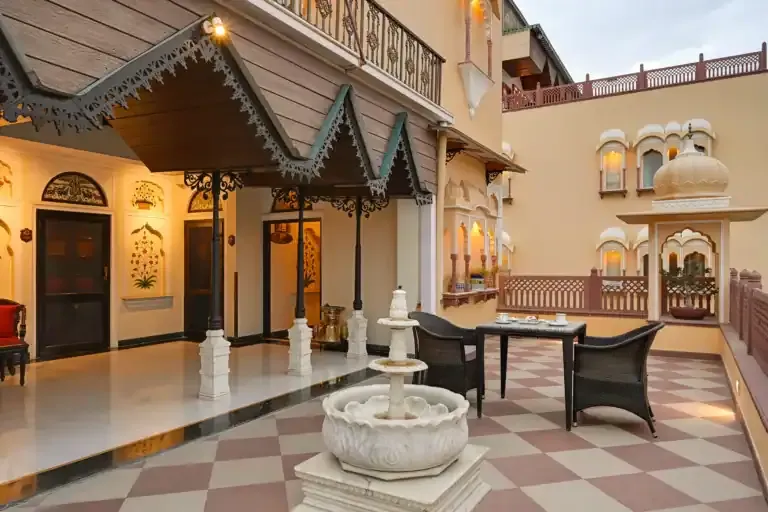
Shahpura House (Bani Park)
Located in the serene Bani Park area, Shahpura House remains a leading boutique choice for discerning travellers who appreciate authentic Rajput aesthetics. This family-run heritage hotel elegantly blends traditional architecture, such as intricate frescoes and stone balconies, with state-of-the-art modern facilities. The rooftop restaurant offers a charming view of the city, providing an intimate setting for evening meals. Known for its personalised service and warm hospitality, Shahpura House offers a high-value experience for those wanting to stay in a property that feels more like a royal home than a standard commercial hotel.
📋 Traveler’s Checklist for Jaipur (2026)
- Best Time: October to March (Weather-wise).
- Transport: Book a Delhi to Jaipur car rental service for intercity travel.
- Documentation: Carry copies of your Tourist Visa and ID.
- Local Tip: Wear comfortable walking shoes for the forts; most involve uphill climbs.
Why Plan Your Trip with Suwish Global Travels?
Travellers choose Suwish Global because we focus on practical travel planning backed by on-ground coordination. Since our office is located in Laxmi Nagar, Delhi, we act as a reliable hub for tourists moving across the Golden Triangle.
We handle everything from airport arrivals to city tours with transparency and real human support. If you are starting your journey from the capital or planning to visit it next, don’t forget to check our comprehensive Delhi Travel Guide to ensure your entire North India trip is perfectly coordinated.