
The Ultimate Agra Travel Guide (2026): A Strategic Blueprint for the Royal City
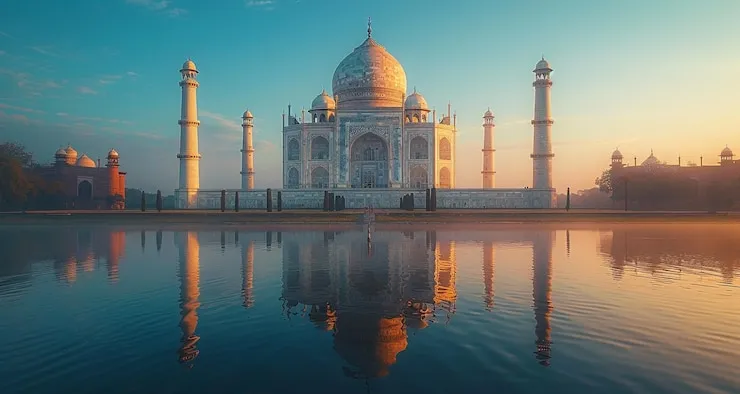
Agra is far more than just the home of the Taj Mahal; it is the heart of the Mughal Empire’s architectural soul. In 2026, the city has evolved into a modern heritage hub, seamlessly blending its 16th-century roots with 21st-century infrastructure like the Agra Metro and the now-operational Noida International Airport (Jewar). For the discerning traveler, visiting Agra is no longer about just “showing up”—it is about navigating one of India’s most iconic destinations with precision, safety, and luxury.
Whether you are arriving via the Yamuna Expressway or flying directly into the region, having a One stop solution for all travel needs in Delhi is the only way to ensure a glitch-free experience. The transition from the bustling capital to this historic city requires careful planning; therefore, we highly recommend reviewing our comprehensive Delhi Travel Guide to synchronize your transit schedules. For those prioritizing comfort and security, opting for SUV and Sedan car rentals in Delhi provides the flexibility to bypass public transport chaos and move between monuments at your own pace.
1. The Core Monuments: Architectural Supremacy
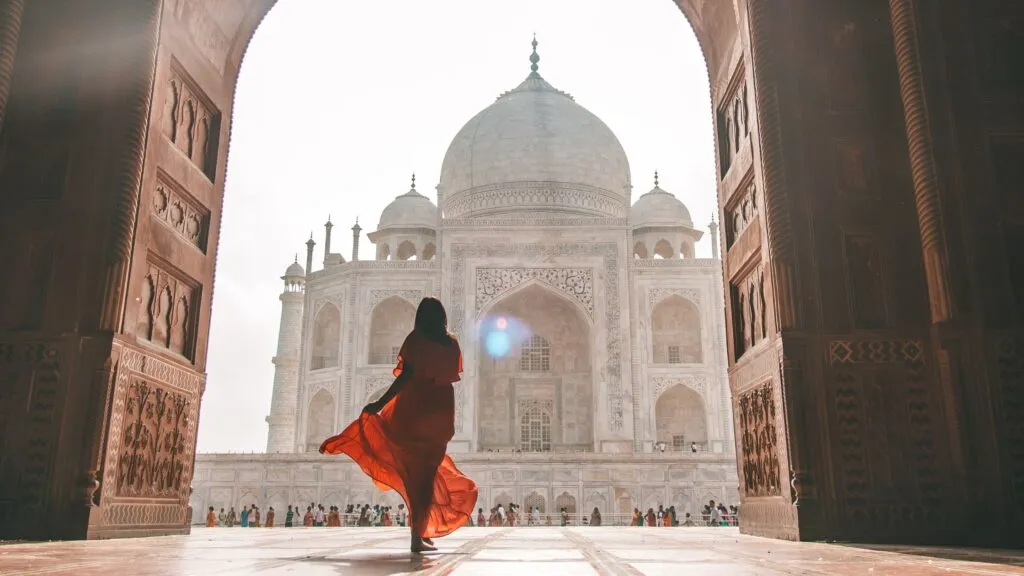
The Taj Mahal: The Sunrise Strategy
- The 2026 Strategy: Use the Agra Metro (Taj East Gate Station) to reach the ticket counter by 5:15 AM.
- Pro-Tip: Tickets are digital-only. Ensure your Tourist Visa in Delhi and physical passport are handy for security clearance at the high-security West or East gates.
Agra Fort: The Military Stronghold
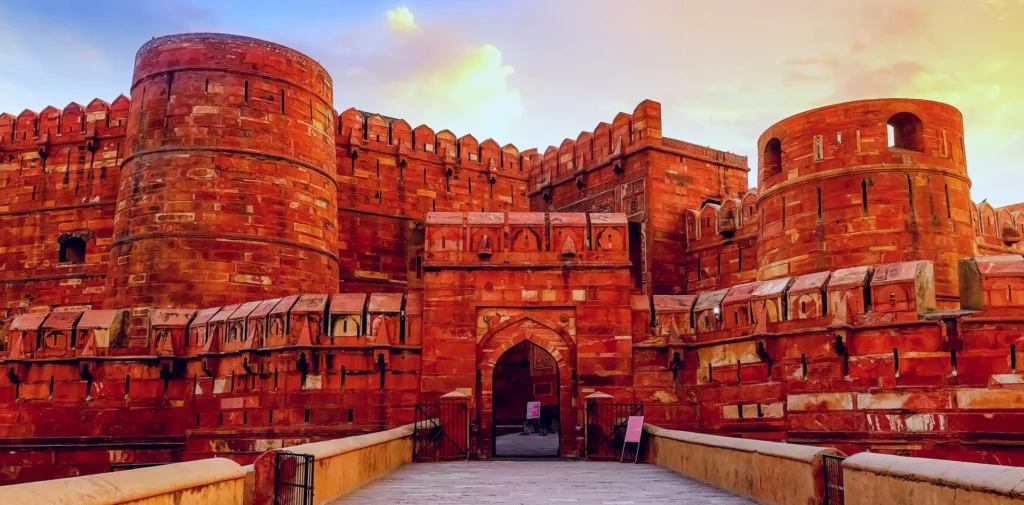
A UNESCO World Heritage site, this fort is a masterclass in red sandstone military architecture. It was here that the Koh-i-Noor diamond was once kept and where Emperor Shah Jahan was imprisoned by his son, gazing at the Taj Mahal from the Musamman Burj.
Fatehpur Sikri: The Abandoned Capital
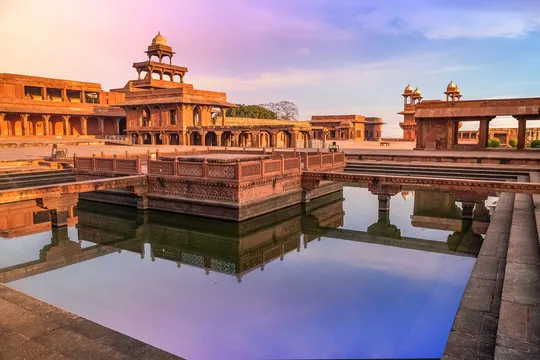
Located 40km from Agra, this “Ghost City” is essential for understanding Emperor Akbar’s vision. The Buland Darwaza stands as a colossal reminder of Mughal victory, and the serene white marble tomb of Sheikh Salim Chishti remains a place of profound spirituality.
2. 2026 Logistics: The Modern Traveler’s Edge
| Feature | 2026 Update | Strategic Benefit |
|---|---|---|
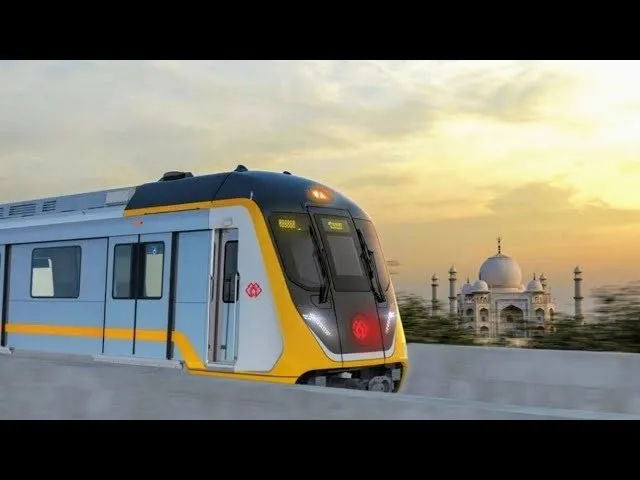
| Agra Metro | Fully Operational | Bypasses the infamous Agra Fort traffic jams. |
| Jewar Airport | Active Connectivity | 90 minutes from Agra; avoids the 4-hour Delhi-IGI rush. |
| EV Zone | 500m No-Pollution Radius | Only electric vehicles/Metro allowed near the Taj. |
For international visitors, coordinating your arrival through specialized SUV and Sedan car rentals allows for a seamless “Airport-to-Hotel” transition without dealing with local touts.
3. Luxury Hospitality: The Elite Stay List
Agra’s hospitality sector is world-renowned. To get the best rates and verified safety standards, look for Exclusive deals on hotels that cater specifically to international hygiene protocols.
Oberoi Amarvilas (The Pinnacle of Luxury)
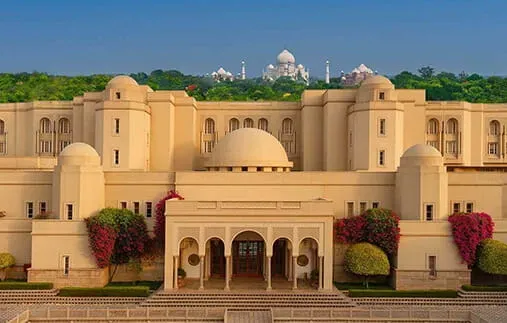
Situated a mere 600 metres from the Taj Mahal, Oberoi Amarvilas is the most prestigious address in Agra. The resort’s architecture is a magnificent tribute to Mughal splendour, featuring terraced gardens and reflection pools. Uniquely, every guest room offers an uninterrupted, breathtaking view of the monument. For those seeking a royal experience, the hotel provides private candlelit dinners and golf buggy transfers, making it the ultimate sanctuary for luxury.
ITC Mughal (A Heritage Resort Experience)
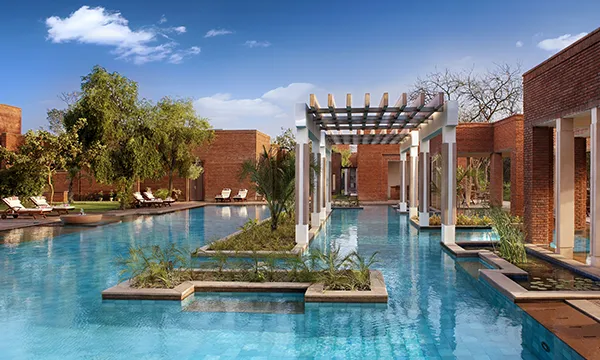
Spanning 23 acres of lush, landscaped gardens, ITC Mughal is a tribute to the great Mughal builders. This luxury resort is globally recognized for its “Kaya Kalp” spa—one of India’s largest wellness centres. Its design reflects 16th-century courts using red sandstone and marble accents. Offering a perfect blend of historic charm and contemporary luxury, it is an ideal choice for history enthusiasts and wellness seekers exploring North India.
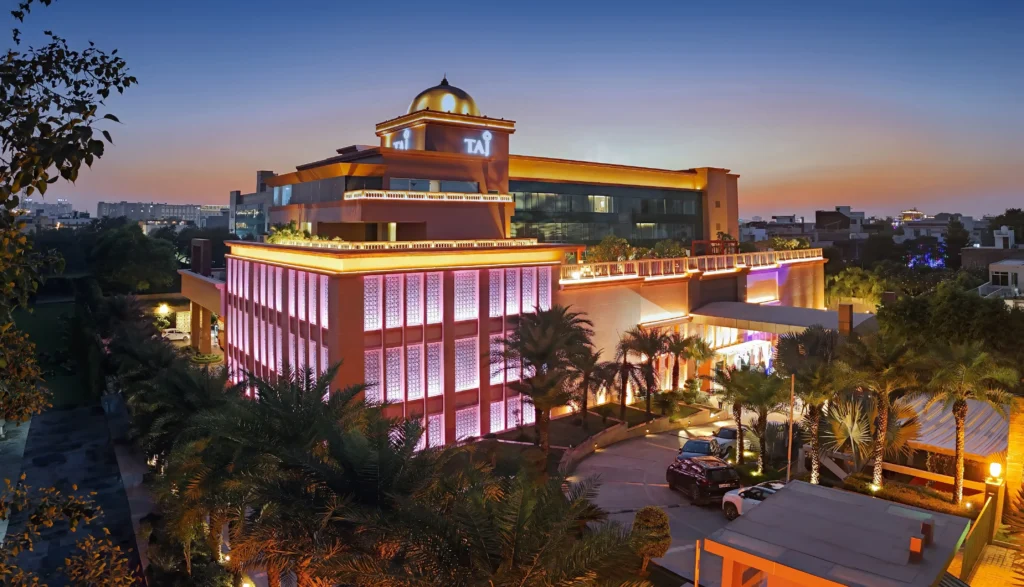
Taj Hotel & Convention Centre (The Modern Hub)
Located in the city’s heart, the Taj Hotel & Convention Centre is a sleek, modern masterpiece and a premier venue for international conferences. Its standout feature is the stunning rooftop infinity pool, providing a panoramic view of the Taj Mahal’s white marble dome. With world-class technology and massive banquet halls, it is the top choice for MICE travellers, ensuring a stay that is both efficient and relaxing.
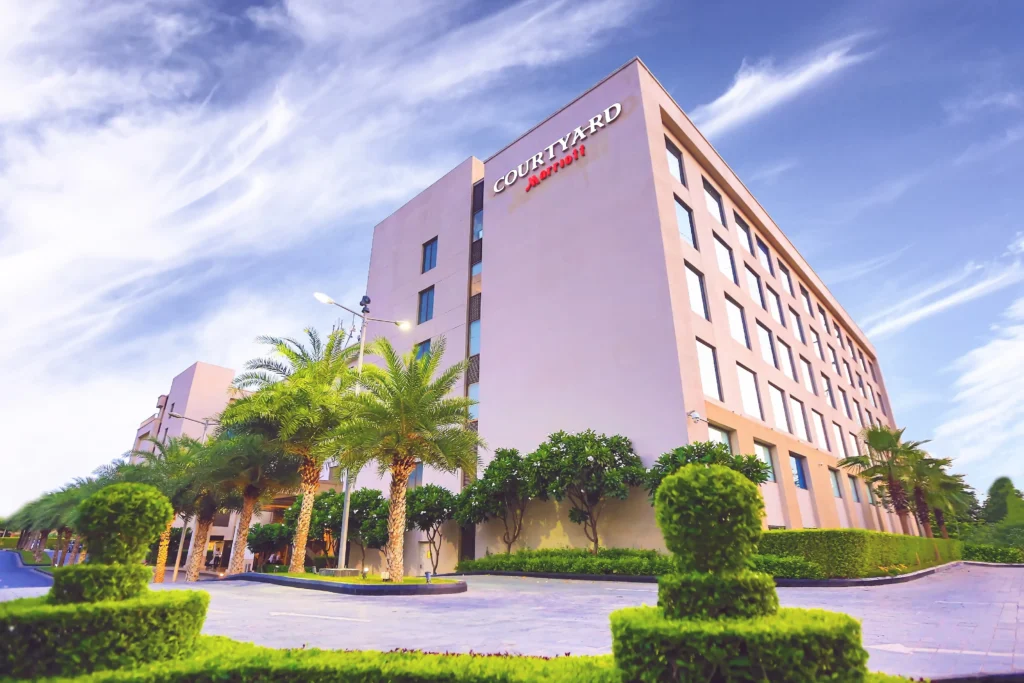
Courtyard by Marriott (Top-Rated Family Choice)
For families seeking comfort and consistency, Courtyard by Marriott is one of the most reliable and top-rated hotels in Agra. Centrally located on Fatehabad Road, it offers easy access to the Agra Metro and major sightseeing spots. Featuring spacious rooms and multiple international dining options, it serves as a practical yet luxurious base. Known for high service standards, it provides a safe, premium environment for all visitors.
4. Survival Guide: Defeating the "Agra Scams"
- The “Fake Guide” Trap: Only hire ASI-approved guides. If they don’t have a physical ID card, they are not official.
- The “Free Tour” Scam: Never accept a “free tour” from an auto-driver; they will take you to high-commission marble shops where prices are inflated by 300%.
- The Friday Rule: The Taj Mahal is CLOSED every Friday. If anyone tells you they can get you in for a “special fee,” they are lying.
5. Beyond Agra: The Extended Circuit
If you have an extra 48 hours, use Agra as a base for these “Deep-India” experiences:
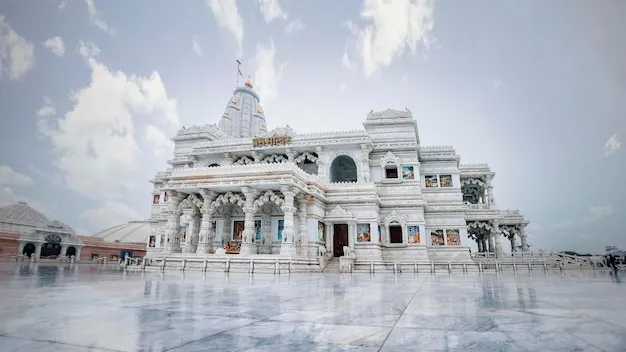
Mathura & Vrindavan: The Spiritual Heart of Braj
A comfortable 1-hour drive from Agra, the spiritual twin cities of Mathura and Vrindavan offer a profound contrast to Mughal architecture. As the birthplace of Lord Krishna, this circuit provides international travellers a rare glimpse into living Vedic traditions and vibrant aarti ceremonies. Witnessing thousands of devotees gathered for evening chants at the Banke Bihari or ISKCON temples is a spiritual spectacle that remains unforgettable for any global visitor.
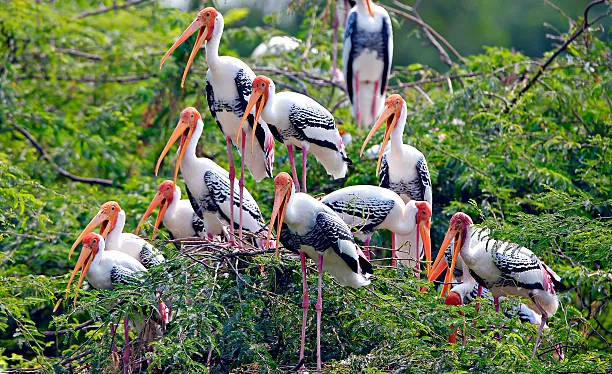
Keoladeo National Park: A Birdwatcher’s Paradise
Located across the Rajasthan border in Bharatpur, this UNESCO World Heritage site is a must-visit for nature photographers. Formerly a royal hunting reserve, it is now one of the world’s most important bird breeding grounds, hosting over 370 species. Visitors can explore the vast marshlands via bicycle or local rickshaw for an immersive wildlife experience, providing a refreshing green break that perfectly complements a heritage-heavy tour itinerary.
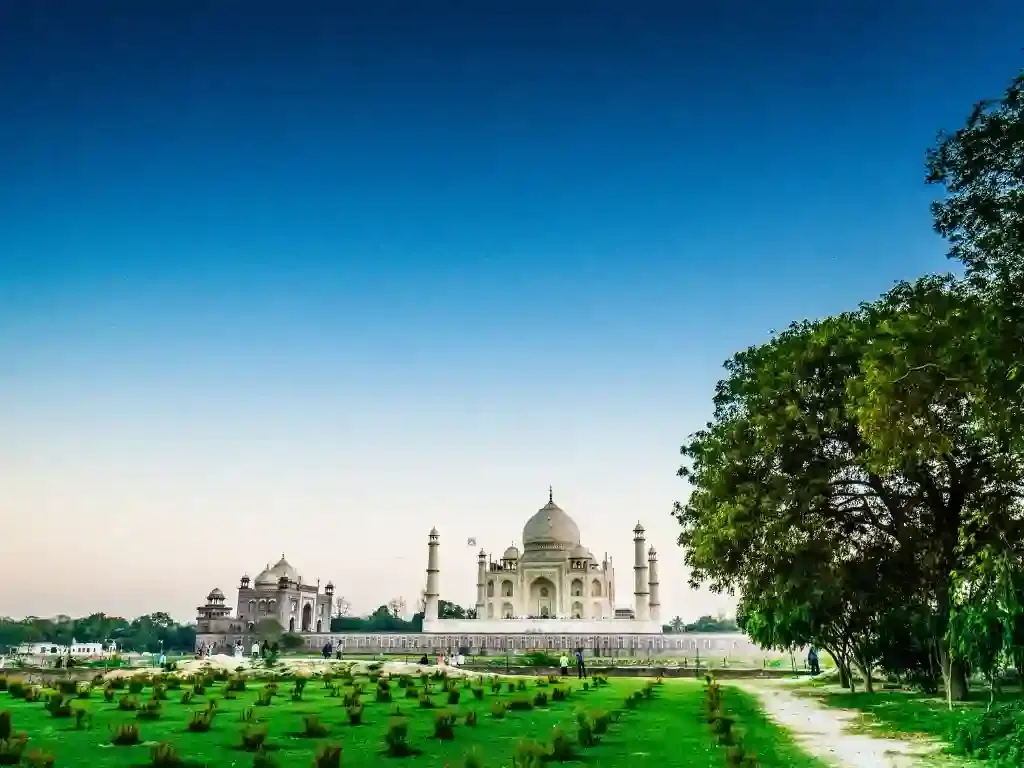
Mehtab Bagh: The Moonlight Garden Perspective
For travellers seeking the iconic “Mirror View” of the Taj Mahal without the crowds, Mehtab Bagh is the ultimate strategic location. Situated directly across the Yamuna River, this 25-acre garden aligns perfectly with the monument. Historically known as the “Moonlight Garden,” it provides a golden, panoramic perspective during sunset. It is an essential stop for professional photographers and those who value peace while admiring the Taj’s symmetry.
Final Verdict: The Strategic Take
Agra in 2026 is a city of layers. To truly enjoy it, you must filter out the noise and focus on quality logistics. By choosing Top-rated hotels and securing reliable transport through SUV and Sedan car rentals in Delhi, you transform a chaotic trip into a royal expedition.